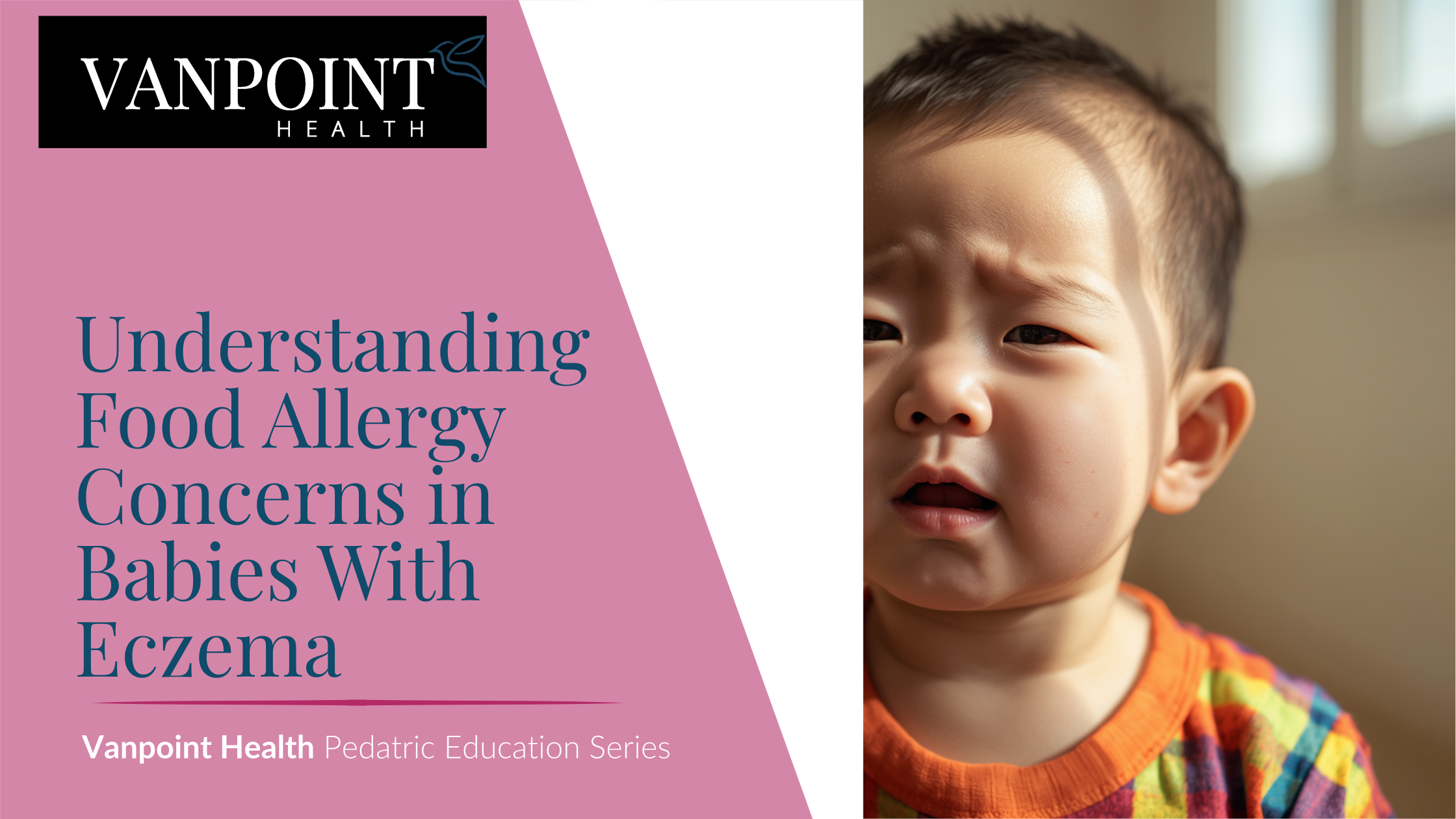
Understanding Food Allergy Concerns in Babies With Eczema
When your baby has eczema, it's natural to start looking for a cause.
And for many parents, one of the first questions is:
“Could this be a food allergy?”
You may begin watching every meal closely, wondering whether milk, eggs, peanuts, or another food could be responsible for the latest flare.
Food allergies and eczema can occur together, particularly in some children with more persistent or severe eczema.
But that doesn't mean every eczema flare is caused by food.
Understanding the difference can help parents make safer, more informed decisions about both eczema care and nutrition.
Eczema and Food Allergies Can Be Connected
Babies with eczema—especially more severe eczema—can have an increased risk of developing food allergies.
One reason involves the skin barrier.
With eczema, the skin barrier may not work as effectively as it should. Researchers believe exposure to food proteins through an impaired skin barrier may play a role in the development of food sensitization in some children.
But there's an important distinction:
Having eczema does not automatically mean your baby has a food allergy.
And having a positive allergy test doesn't always mean a particular food is causing eczema symptoms.
That's why individualized evaluation matters.
Not Every Eczema Flare Is Caused by Food
Eczema naturally goes through periods of improvement and worsening.
Symptoms can be influenced by many factors, including:
Dry skin
Heat and sweating
Irritating skincare products
Environmental exposures
Illness
Changes in weather
Inconsistent treatment
The underlying inflammatory nature of eczema itself
Sometimes parents remove a food and notice the skin improves shortly afterward.
But because eczema can improve and worsen naturally, timing alone doesn't always prove that the food caused the flare.
This can make figuring out the relationship between eczema and food particularly confusing.
Be Careful About Eliminating Foods Without Guidance
When parents suspect a food allergy, the instinct may be to remove that food immediately.
But unnecessary elimination diets can create problems of their own.
Babies and young children need adequate nutrition for healthy growth and development. Removing multiple foods without medical guidance can make meeting those nutritional needs more difficult.
It can also make an already stressful situation even more complicated for families.
If you're concerned about a particular food, talk with your child's healthcare provider before making significant dietary changes.
Depending on your baby's history and symptoms, they can help determine whether further evaluation is appropriate.
When Should Parents Be More Concerned About Food Allergy?
Some reactions are more suggestive of an immediate food allergy than eczema worsening alone.
Symptoms occurring soon after eating a particular food may include:
Hives
Swelling of the lips, face, or eyes
Repetitive vomiting
Coughing or wheezing
Difficulty breathing
Sudden lethargy or other concerning symptoms
These reactions should be taken seriously.
Difficulty breathing or other signs of a severe allergic reaction require immediate emergency medical attention.
Parents should discuss suspected food reactions with their child's healthcare provider so they can determine whether allergy evaluation is appropriate.
Good Eczema Care Should Look at the Whole Picture
Parents shouldn't have to choose between ignoring food allergy concerns and assuming food is responsible for every flare.
Both eczema and food allergy deserve thoughtful evaluation.
For a baby with eczema, good care may involve looking at:
How severe the eczema is
How well symptoms are controlled
Whether there have been specific reactions to foods
What treatments have already been tried
Whether allergy evaluation is appropriate
How nutrition can be protected while questions are being answered
The goal is to make decisions based on your baby's individual history—not fear or conflicting information online.
You Don't Have to Solve the Puzzle Alone
If you've found yourself analyzing every bite your baby eats or wondering whether food is secretly causing their eczema, you're not alone.
These questions are common.
And they're worth discussing.
But eczema is a complex condition, and food is only one piece of a much larger picture.
At Vanpoint Health, we believe families deserve personalized guidance that considers the whole child—helping parents understand their baby's eczema, treatment options, and when additional evaluation may be appropriate.
Your baby deserves thoughtful care—and you deserve clear answers instead of constantly second-guessing every decision.
See If Structured Pediatric Eczema Care Is Right For Your Child
