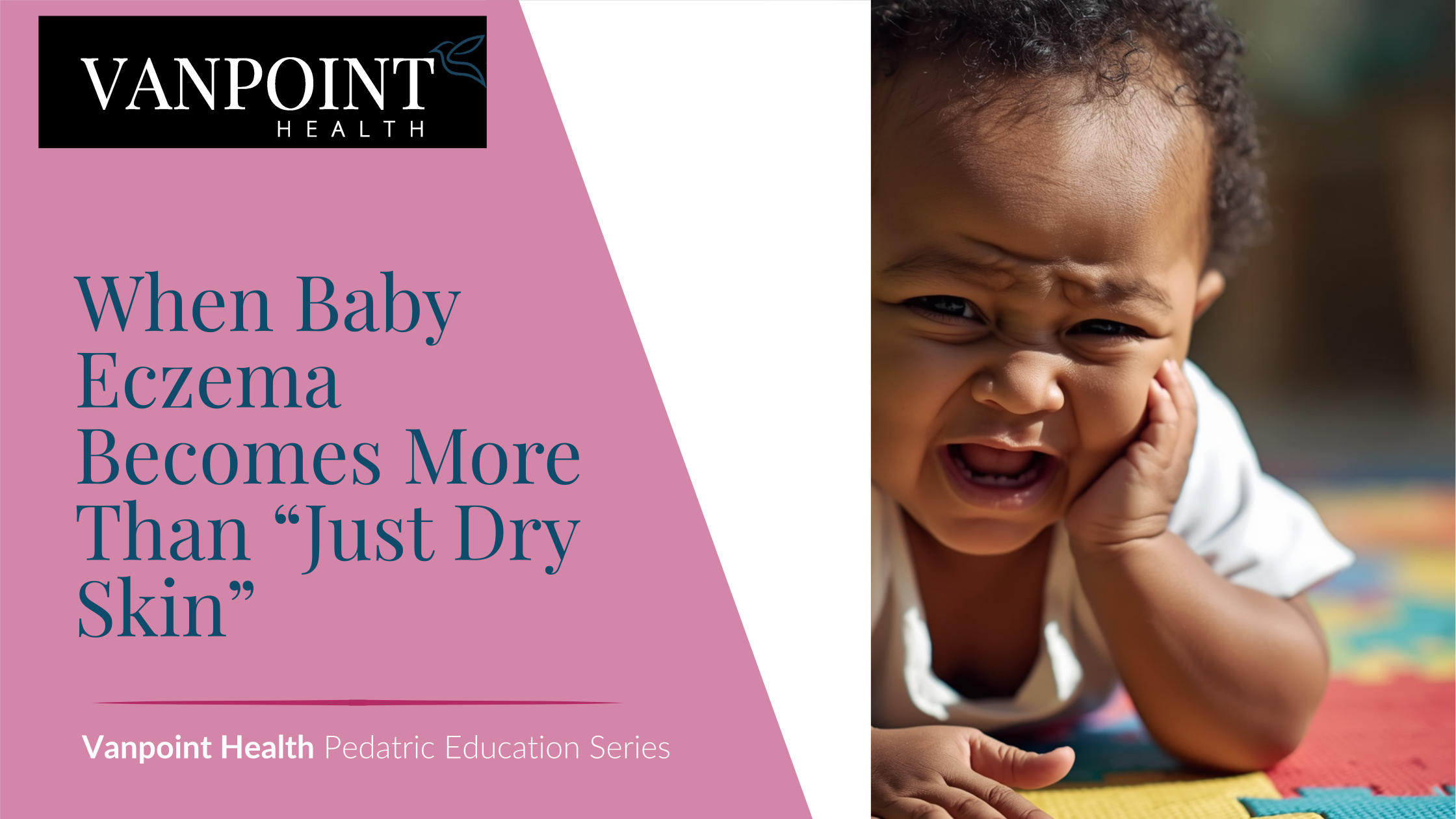
When Baby Eczema Becomes More Than “Just Dry Skin”
Dry skin is incredibly common in babies.
So when rough, flaky patches first appear, it’s natural to reach for moisturizer and assume your baby’s skin simply needs a little extra hydration.
But then the redness returns.
Your baby starts scratching.
The patches spread.
Sleep becomes more difficult.
And suddenly, you’re wondering:
“Is this really just dry skin?”
Sometimes, it isn’t.
Baby eczema can look like ordinary dryness at first, but eczema involves more than a lack of moisture. Recognizing the difference can help you understand when your baby may need additional care.
Dry Skin and Eczema Aren’t Exactly the Same
Healthy skin acts as a protective barrier, helping keep moisture in and irritants out.
With eczema, that barrier doesn’t function as effectively as it should. Eczema also involves inflammation within the skin.
That’s why babies with eczema may experience more than flaking or roughness.
You may notice:
Red or discolored patches
Persistent rough or irritated skin
Significant itching or scratching
Areas that repeatedly flare
Cracked skin
Oozing or crusting
Difficulty sleeping because of discomfort
Moisturizer remains an important part of eczema care, but once inflammation is involved, moisturizing alone may not provide enough control.
One of the Biggest Clues Is Itching
Dry skin can feel uncomfortable.
But persistent itching is an especially important sign of eczema.
Babies can't tell you, “My skin is really itchy.”
Instead, you may notice them:
Rubbing their face against bedding or clothing
Scratching their arms, legs, or scalp
Becoming restless during sleep
Waking frequently
Appearing increasingly irritable
Scratching can then further damage already-sensitive skin, creating an itch-scratch cycle that makes symptoms harder to settle.
When Moisturizer Doesn't Seem to Be Enough
Many parents respond to worsening skin by trying another moisturizer.
Then another.
Then a balm, oil, or product specifically marketed for eczema.
But if your baby's skin remains red, itchy, inflamed, or uncomfortable despite consistent moisturizing, the problem may not be that you haven't found the “right” product.
Your baby's eczema may need additional treatment.
Depending on the severity and symptoms, a healthcare provider may recommend prescription treatment, adjustments to the skincare routine, or evaluation for other factors contributing to the irritation.
The goal isn't to use more treatment than necessary.
It's to provide the right level of treatment for your baby's eczema.
Pay Attention to How Eczema Affects Your Baby
Parents understandably focus on what their baby's skin looks like.
But appearance is only part of the picture.
Ask yourself:
Is my baby comfortable?
Eczema deserves additional attention when itching and irritation begin interfering with:
Sleep
Play
Feeding
Mood
Daily routines
Overall comfort
A rash doesn't have to look dramatic to significantly affect a baby's quality of life.
Watch for Changes That Need Medical Attention
Eczema can sometimes lead to breaks in the skin, which can increase the risk of infection.
Contact your child's healthcare provider if you notice concerning changes such as increasing warmth, swelling or tenderness, pus or drainage, yellow or honey-colored crusting, rapidly worsening redness, fever, or your baby appearing unusually unwell.
Seek prompt medical evaluation for rapidly spreading painful sores or blisters, especially with fever or involvement around the eyes.
Eczema Care Is About More Than Making Skin Look Better
The goal of infant eczema treatment isn't simply getting rid of visible dry patches.
It's helping your baby:
Feel more comfortable
Itch and scratch less
Sleep more peacefully
Experience fewer disruptive flares
Maintain healthier skin over time
That may involve moisturizer.
It may also involve medication, consistent follow-up, or adjustments to your baby's treatment plan.
Every baby is different.
That's why eczema care should be individualized rather than built around finding one “miracle” skincare product.
When It's Time for More Guidance
If you've been moisturizing your baby's skin consistently but the redness, itching, or flare-ups keep returning, you haven't necessarily done anything wrong.
Your baby's symptoms may simply need a more comprehensive approach.
At Vanpoint Health, we help families move beyond treating eczema as “just dry skin” by creating personalized pediatric eczema care plans focused on comfort and long-term control.
Because the goal isn't just softer-looking skin. It's a more comfortable baby.
See If Structured Pediatric Eczema Care Is Right For Your Child
